
Published: August 11, 2026
Share this post:
Australia is short more than 26,000 truck drivers, and the gap is growing. Almost half of the country's freight businesses say they are struggling to fill driver seats, and close to half of the current workforce is already over 55.
If you have ever thought about a career behind the wheel, the numbers below explain why now is a genuinely good time to start. This guide walks through the data, the licence pathway, and how to get your HR licence with TDT.
Australia's truck driver shortage is the gap between the number of qualified heavy vehicle drivers needed to move the country's freight and the number currently working, a gap industry data currently puts at more than 26,000 positions.
Figures presented to the Productivity Commission by the National Road Transport Association, drawn from the 2024 International Road Transport Union Global Driver Shortage Survey, put Australia more than 26,000 heavy vehicle drivers short. That gap has been widening for several years, not shrinking.
The same survey found almost half of Australian trucking businesses face severe or very severe difficulty filling driver positions. The main driver of the shortage is demographic, not a lack of freight work.
Jobs and Skills Australia, the Commonwealth agency that tracks national labour shortages, rated Truck Driver (General) as a national shortage occupation in its 2023 Skills Priority List, and industry bodies including the Australian Logistics Council continue to flag it as a chronic shortage occupation in their most recent submissions. Around 24 percent of the national truck driving workforce is based in Victoria, based on ABS Labour Force Survey data compiled by Jobs and Skills Australia.
Truck Driver (General) does not currently appear on the Department of Home Affairs Core Skills Occupation List, the main list that supports the Skills in Demand 482 visa. Industry bodies including the Australian Logistics Council have pushed for its inclusion, but as things stand, overseas sponsorship is not a straightforward option for most operators.
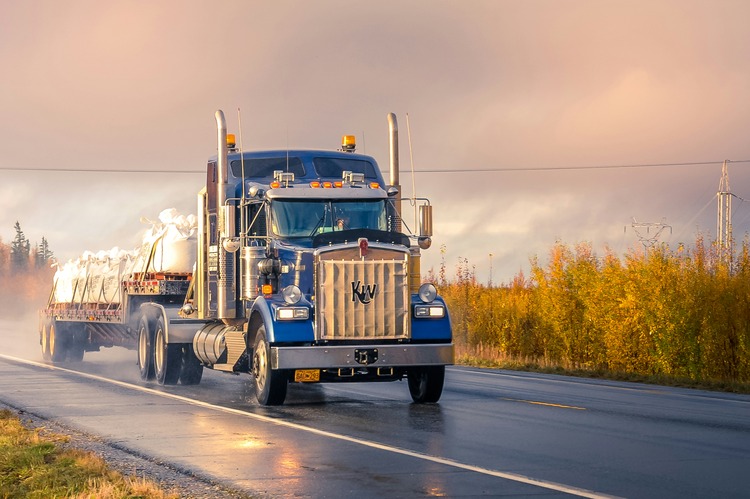
Most new drivers do not need to jump straight to the biggest trucks on the road. Victoria's licensing system is built as a step by step pathway, and each step opens up more job options.
Starting point
Heavy Rigid
Heavy Combination
Multi Combination
You need at least 12 months holding an MR or HR licence before you can apply for HC, and at least 12 months holding an HC or HR licence before you can apply for MC. That means most drivers reach MC within two to three years of getting their first heavy vehicle licence.
How long does it take to get an HR licence? Most drivers complete an automatic or synchromesh HR course in around 8 hours in a single day. A non synchromesh, or road ranger, HR course takes longer, running 12 to 16 hours across a day and a half.
| Licence | What it lets you drive | To apply you need | TDT course |
|---|---|---|---|
| LR | Light rigid vehicles and small buses | Car licence held 12 months | TLILIC2014 |
| MR | Medium rigid trucks with two axles | Car licence held 12 months | TLILIC2015 |
| HR | Rigid trucks and buses with three or more axles over 8 tonnes | Car licence held 24 months | TLILIC2016 |
| HC | Prime movers with a single semi-trailer, or rigid trucks towing a heavy trailer | MR or HR held 12 months | TLILIC3017 |
| MC | B-doubles, road trains and the largest heavy combinations | HC or HR held 12 months | TLILIC3018 |
Most drivers start with an HR licence before upgrading. TDT delivers HR training at multiple Victorian locations, with automatic, synchromesh and non synchromesh options available.
TDT delivers licence courses out of Hallam, Bendigo, Sunshine, Sale and Ballarat. Contact TDT or call 1800 350 320 to book your HR course and lock in a date.
Job security in transport comes down to one simple fact. Freight has to move, and right now there are not enough qualified drivers to move it.
The Australian Government, together with state and territory Skills Ministers, has endorsed a national truck driving apprenticeship framework to help close the gap. That level of policy backing is a strong signal that driver training is being treated as a long term national priority, not a short term fix.
The Australian Bureau of Statistics classifies truck driving under ANZSCO code 733111. According to the official task list, the core duties are consistent across most driving jobs.
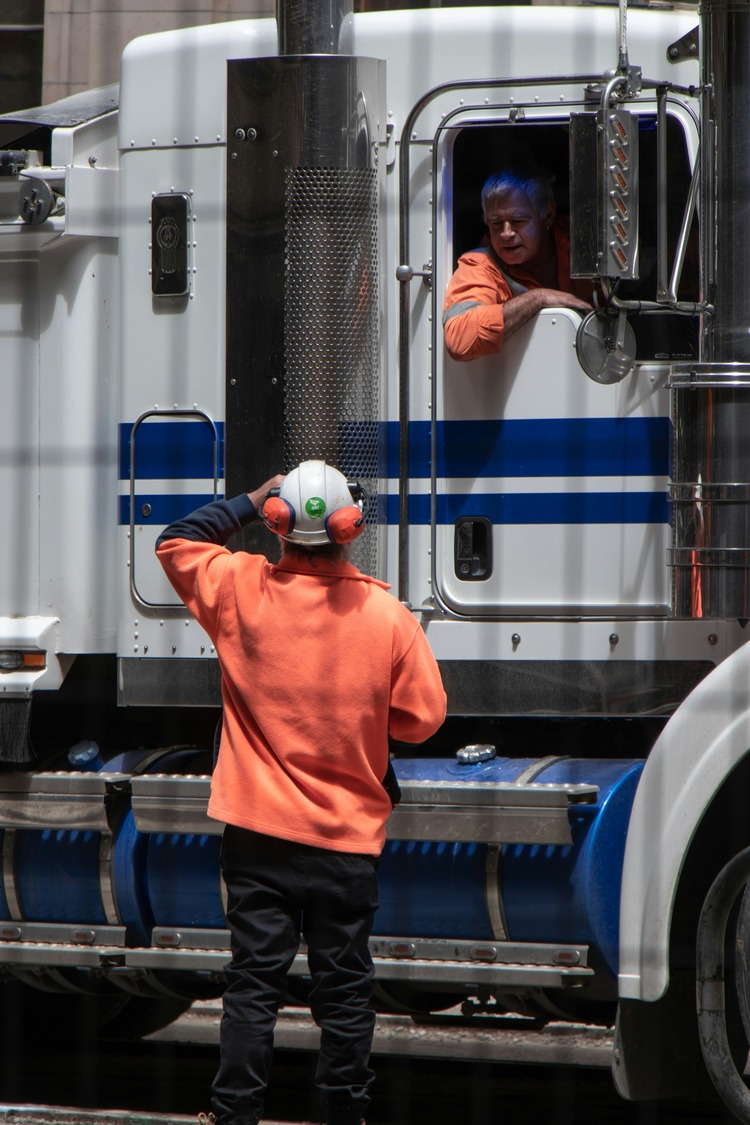
Victoria carries a big share of the national truck driving workforce. Around 24 percent of Australia's truck drivers are based in the state, according to ABS Labour Force Survey data compiled by Jobs and Skills Australia, second only to New South Wales.
At the same time, Victoria is running some of the largest construction projects in the country. Every one of them needs a steady supply of licensed heavy vehicle drivers to keep materials, spoil and equipment moving.
The Victorian Skills Authority classifies workforce shortages into four types, based on analysis from Jobs and Skills Australia. In Victoria, the most common driver of shortage is a long training gap, meaning too few qualified applicants are coming through a Certificate III level training pathway.
This matters for anyone weighing up a truck driving career. It is not that jobs are not there. It is that not enough people are getting licensed to fill them.
Around 24% of Australia's truck drivers are based in Victoria, the second largest state cohort nationally.
A long training gap is the most common cause of workforce shortages across Victoria, ahead of retention issues.
Major Big Build projects including North East Link and the Suburban Rail Loop are driving sustained demand for licensed heavy vehicle drivers.
