
If you’re looking to start or grow a career in the transport and logistics industry, one of the first steps is choosing the right truck licence in Victoria. With several licence classes available, ranging from small rigid vehicles to massive road trains, understanding your options is crucial.
In this guide, we’ll explain the main types of truck licences in Victoria, the requirements for each, and how to decide which one is best suited to your career path.
Why Choosing the Right Truck Licence Matters
Your truck licence is more than a qualification – it’s your ticket to a stable, well-paying, and in-demand career. The right licence can:
Getting the wrong licence, however, could mean limited job opportunities or the need to retrain sooner than expected.
Types of Truck Licences in Victoria
Truck licences are divided into five main classes. Each one builds on the other and determines the types of vehicles you can legally drive.
Light Rigid (LR) Licence
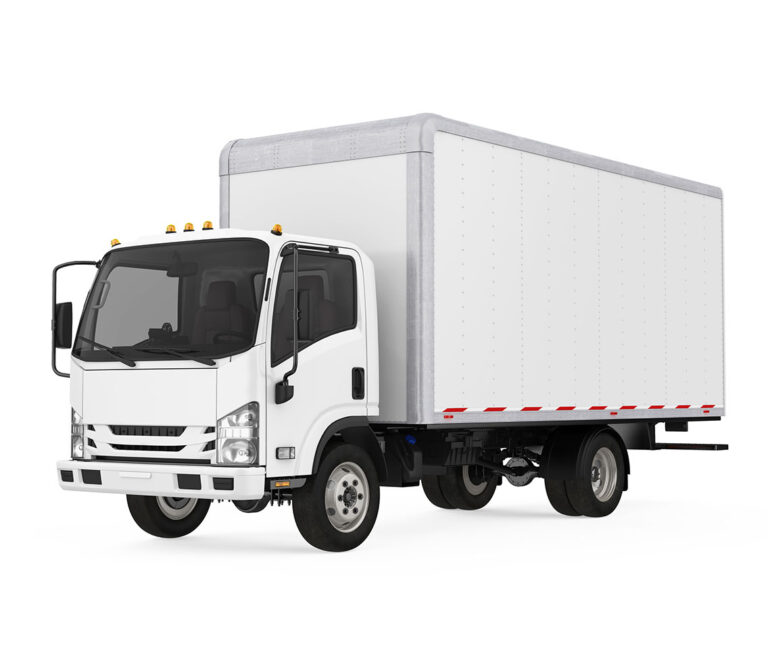
Medium Rigid (MR) Licence
Heavy Rigid (HR) Licence
Heavy Combination (HC) Licence
Multi Combination (MC) Licence
How to Decide Which Licence is Right for You
Eligibility depends on how long you’ve held your licence. HR requires two years on a car licence, while HC and MC require experience with smaller classes first.
In Victoria, HR drivers are in constant demand for construction, while HC and MC drivers are essential in freight and logistics.
Higher licence classes take longer and cost more, but they also bring access to higher-paying jobs.
If you’re unsure, an HR licence is a versatile option. It allows you to drive large, rigid vehicles and sets you up for future upgrades.
Step-by-Step: How to Get a Truck Licence in Victoria
Most training courses run for one to two days, depending on licence type.
Tips for Choosing the Right Training Provider
Final Thoughts
Choosing the right truck licence in Victoria is about balancing your current experience with your long-term career goals. From entry-level LR to advanced MC, each licence opens new opportunities in a high-demand industry.
If you’re unsure where to start, an HR licence is often the best choice. It’s versatile, in demand, and sets you on the path to upgrading into HC and MC licences later.
With the right training provider and a clear career plan, you’ll be ready to take the next step toward a rewarding career on the road.
Ready to get your truck licence? Contact our team today to discuss your goals and book your training course.
A: The best truck licence in Victoria depends on your career goals and experience. LR is ideal for small trucks and buses, MR suits medium vehicles, HR is versatile for large trucks and buses, HC is for semi-trailers, and MC is for B-doubles and road trains. Many new drivers start with HR for maximum flexibility.
A: Costs vary depending on licence class and training provider, but you can expect to pay between $1,000 and $3,000 for most courses. Higher classes like HC and MC generally cost more.
A: Most truck licence courses in Victoria take one to two days, including training and assessment. Some advanced licences may take longer.