
Operating a forklift truck or order picker is a high-risk activity that carries significant legal and safety responsibilities. In Australia, these activities are regulated under Work Health and Safety (WHS) legislation, and licensing is overseen by WorkSafe as the relevant High Risk Work Licence (HRWL) authority. For individuals and businesses alike, proper training is not optional — it is essential.
TDT Australia delivers comprehensive forklift and order picker training designed to develop real-world operational competence, ensure strict compliance with legislative requirements, and prepare participants for High-Risk Work Licence assessment. The program is structured as a two-day intensive course, combining theory, practical training, and formal assessment preparation.
This article outlines the structure of the course, the licensing framework, and the skills and knowledge participants gain throughout the program.
Forklift and order picker operation fall under the category of high-risk work. This means that a person performing this work must hold a current High Risk Work Licence (HRWL) issued by WorkSafe.
It is important to clarify a common misunderstanding: successful completion of the unit of competency does not automatically result in the issuing of a HRWL. Rather, it confirms that the participant has demonstrated competence against nationally recognised standards. After successful assessment by an accredited assessor, the candidate must apply to WorkSafe for the High-Risk Work Licence.
The relevant unit specifies the skills and knowledge required to operate a forklift truck safely in accordance with all relevant legislative requirements. The training reflects current WHS legislation, codes of practice, Australian Standards, and WorkSafe expectations.
For licensing and training purposes, a forklift truck is defined as:
A powered industrial truck equipped with lifting media made up of a mast and an elevating load carriage to which is attached a pair of fork arms or other attachments that can be raised 900 mm or more above the ground.
Importantly, this definition excludes:
The licence requirement applies to forklifts that lift loads 900 mm or more. Because of the inherent risks — including load instability, tip-over hazards, collisions, and pedestrian interaction — formal training and licensing are mandatory.
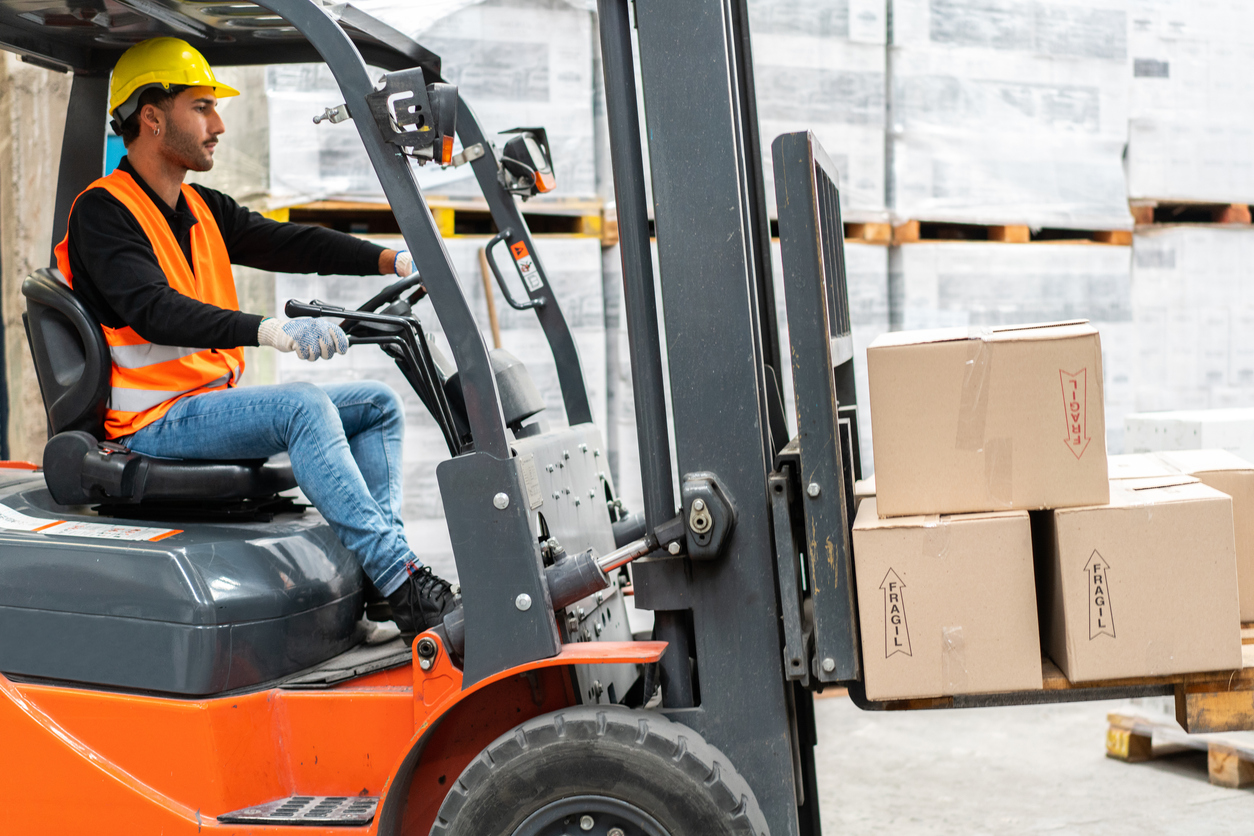
Forklift-related incidents remain one of the most serious contributors to workplace injuries and fatalities across warehousing, logistics, manufacturing, construction, and retail environments. The most common risks include:
Order pickers introduce additional risks due to elevated work platforms and height-related hazards.
High-quality training reduces these risks by developing not just operational ability, but situational awareness, hazard identification skills, and disciplined work practices.
Our forklift and order picker course is delivered over two structured days. The program is carefully sequenced to build knowledge first, then practical capability, and finally assessment readiness.
The first day focuses on foundational knowledge, regulatory requirements, and safe work planning. This ensures participants understand not just how to operate equipment, but why procedures exist and how to manage risk.
Participants gain a clear understanding of:
This section ensures that participants understand their legal responsibilities before they step into the operator’s seat.
The unit requires a forklift operator to plan for the work or task. Planning is a critical safety function and includes:
Participants are trained to conduct systematic risk assessments prior to commencing any task.
This component develops the ability to:
Participants learn to recognise that forklift safety is rarely about machine failure — it is usually about environmental or behavioural risk.
Understanding stability is fundamental. This section covers:
Operators are trained to understand why forklifts tip, not just that they tip.
Participants are trained to conduct systematic pre-start checks including:
Documented inspections are a legislative requirement and a practical safeguard.
For order picker candidates, additional theory includes:
Height-related risk management is emphasised.
Day two transitions into hands-on skill development and performance demonstration. This is where participants convert knowledge into controlled operational competence.
Participants demonstrate their ability to:
Preparation discipline is reinforced before any operational task begins.
This is the core practical component. Participants perform a range of operational activities, including:
For order pickers, tasks include:
Participants are trained to operate smoothly, predictably, and within defined safety parameters.
Operators must demonstrate awareness of emergency response, including:
The correct response during a critical event can significantly reduce injury severity.
The final stage of the unit requires operators to pack up after task completion. This includes:
The discipline of safe shutdown is often overlooked but forms a critical part of compliance.
At the conclusion of training, participants undertake formal assessment conducted by an accredited High Risk Work assessor.
Assessment includes:
Upon successful completion, candidates receive documentation enabling them to apply to WorkSafe for their High-Risk Work Licence.
It is essential to note that the RTO does not issue the HRWL — WorkSafe is the licensing authority. Candidates must submit their application within the prescribed timeframe following assessment.
This course is suitable for individuals working in:
It is also appropriate for employers seeking to ensure their workforce meets compliance obligations and operates safely within regulated environments.
Investing in structured forklift and order picker training delivers measurable benefits:
From a leadership perspective, properly licensed and trained operators represent a clear demonstration of due diligence.
Not all forklift training programs are equal. The difference lies in the emphasis on genuine operational competence rather than minimal compliance.
Effective operators must:
The two-day structure is designed to build confidence without encouraging complacency.
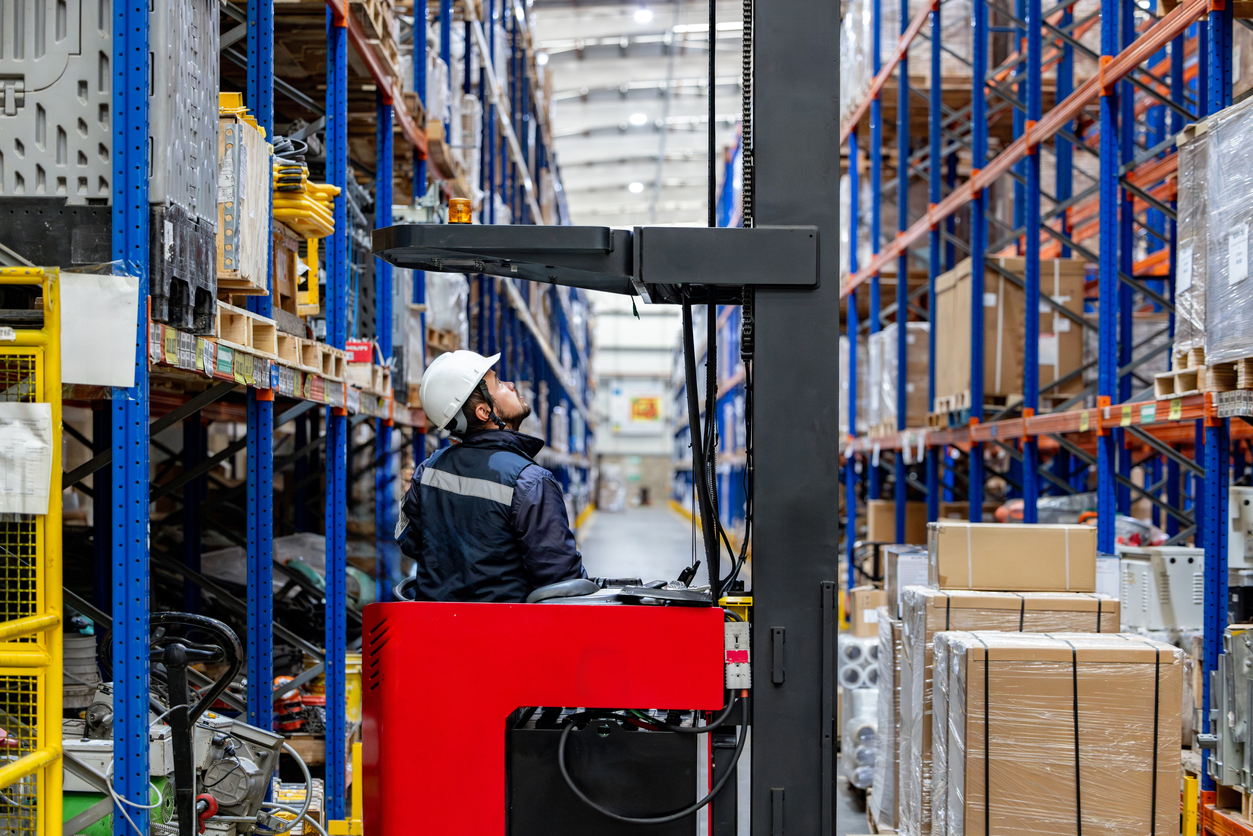
Order pickers involve additional complexity due to working at height. Falls from height remain one of the most serious workplace hazards. The integration of fall protection systems, anchor management, and emergency procedures demands heightened discipline.
Our program ensures participants are not only capable of operating the equipment, but also understand the increased risk profile associated with elevation.
The overarching objective of this unit is clear:
To ensure operators can safely plan, prepare, perform and pack up forklift work in accordance with all relevant legislative requirements.
Safety is not achieved through speed. It is achieved through structured planning, hazard awareness, disciplined operation, and consistent compliance.
By aligning training delivery with WorkSafe expectations and national competency standards, we ensure participants leave not only prepared for assessment but equipped for real-world operational environments.
Forklift and order picker operation is high-risk work requiring structured training, legislative compliance, and disciplined execution. WorkSafe, as the licensing authority, mandates that operators hold a High Risk Work Licence before performing this work.
Our two-day course delivers a comprehensive pathway to competence. Through structured theory, practical application, and formal assessment preparation, participants gain the skills and knowledge required to:
In industries where margins are tight and safety expectations are high, properly trained and licensed operators are not simply an administrative requirement — they are a strategic asset.
For individuals seeking career advancement or organisations prioritising compliance and safety leadership, structured forklift and order picker training is not merely beneficial. It is essential.