
Most of us don’t think twice when we see a truck carrying fuel, gas cylinders, chemicals, or industrial supplies. We assume the driver knows what they’re doing—and thankfully, most of the time, they do. There are strict rules for vehicles that carry dangerous goods. Drivers must be professionally trained and carry the correct documents in addition to following strict safety guidelines. These systems are in place to keep themselves and the public safe.
If you work in transport, construction, logistics, agriculture, warehousing, or the fuel industry, then this guide is for you. It also helps if you are simply curious about how hazardous materials are managed and transported by road. This guide will guide you through the essentials:
Let’s break it down clearly and practically.
Dangerous goods are substances or materials that can cause harm during transport. They may pose a risk to people, property, or the environment. These risks can occur if the goods are not handled, transported, secured or stored properly. As a result of these risks, dangerous goods are strictly regulated. Special rules are in place to ensure they are transported safely and responsibly.
Examples include, but are not limited to:
In Australia, dangerous goods are regulated under strict national and state-based legislation. In Victoria, oversight comes from WorkSafe Victoria. They ensure that businesses and drivers comply with safety standards.
These laws exist for a simple reason: when dangerous goods are mishandled, the consequences can be severe.
Dangerous goods are divided into nine primary classes under the Australian Dangerous Goods, (ADG) Code. Each class reflects a specific type of hazard.
Materials capable of causing explosions. Example: fireworks, ammunition.
Compressed, liquefied, or dissolved gases. Examples: LPG, oxygen, acetylene.
Liquids that can ignite easily. Examples: petrol, diesel, ethanol.
Substances that ignite easily in solid form. Examples: matches, certain metals.
Materials that intensify fires by releasing oxygen. Examples: hydrogen peroxide, certain fertilisers.
Poisons and biohazards. Examples: pesticides, medical waste.
Used in medical, industrial, or research settings.
Materials that burn skin or corrode metals. Examples: battery acid, caustic soda.
Hazardous materials that don’t fit other classes. Examples: lithium batteries, environmentally hazardous substances.
Each class has specific labelling, handling, segregation, and transport requirements. Drivers must understand these classifications before transporting any load.
Not all dangerous goods can be transported together.
Some substances react violently when combined. For example:
Improper segregation can lead to:
If you work in transport, construction, logistics, agriculture, warehousing, or the fuel industry, this guide is for you. It also helps if you’re simply curious about how hazardous materials are managed. This guide will walk you through the essentials:
This is not just a compliance issue—it’s a public safety issue.
Transporting dangerous goods without proper documentation is illegal—and can have dangerous consequences.
Correct paperwork ensures that:
Common required documents include:
Includes:
These provide detailed information about:
Step-by-step guidance in case of:
If an accident occurs, emergency services rely on this paperwork immediately. Without it, response time increases—and so does risk.
Personal Protective Equipment (PPE) and Safety Equipment
Even with correct paperwork and classification, the driver’s personal protection is essential.
Minimum PPE often includes:
For fuel transport or chemical handling, additional PPE may include:
Vehicles carrying dangerous goods must also carry safety equipment such as:
Failing to carry the correct equipment can result in heavy fines—and more importantly, increased risk to the driver and the public.
Understanding dangerous goods is only part of the equation. The SLP is directly attributed to the cartage of bulk fuel and is a mandatory requirement, in addition to obtaining a dangerous goods licence.
If you are working in fuel transport or fuel distribution, SLP training becomes even more important.
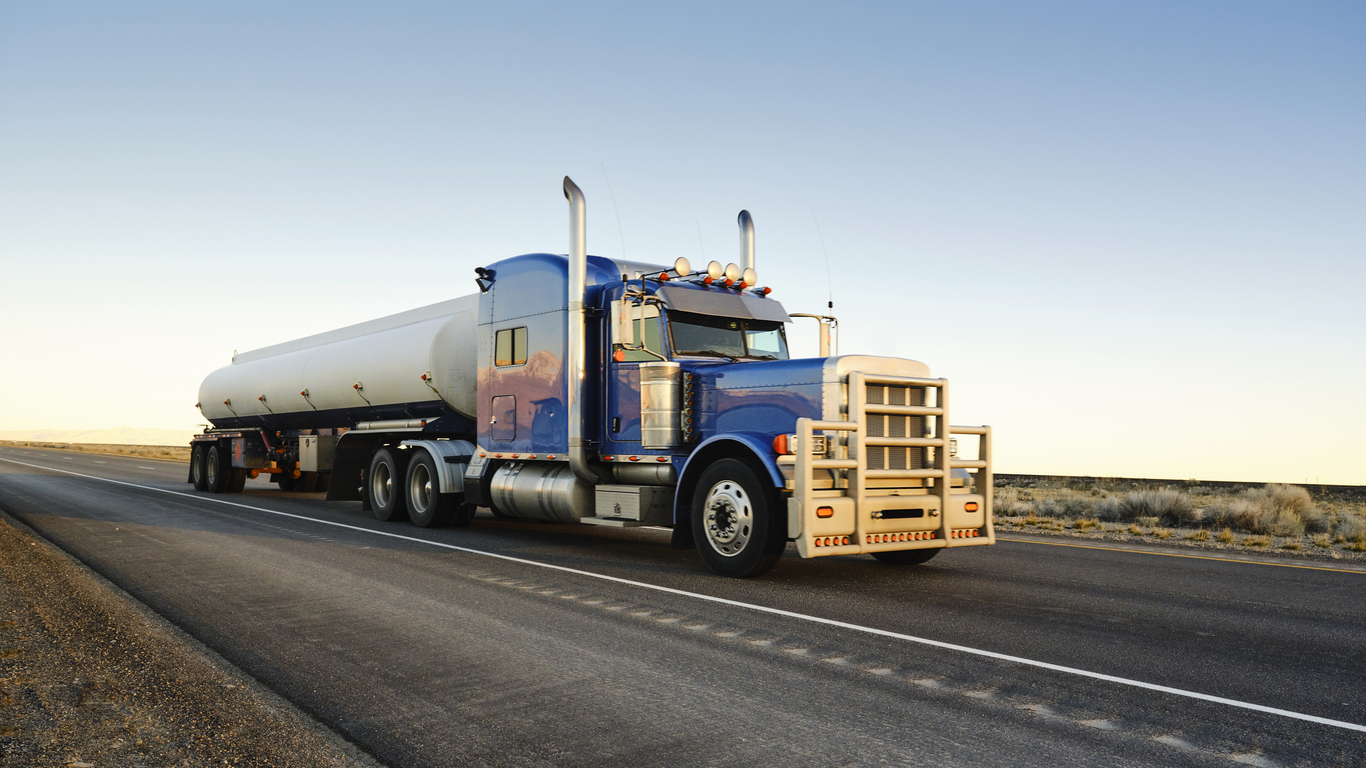
Fuel tankers carry flammable liquids (Class 3). A rollover can result in:
SLP training is required in the fuel industry. It forms the foundation of safe work practices.
It ensures that drivers:
SLP is not just about compliance—it’s about preventing catastrophic incidents.
Victoria has strict rules for transporting dangerous goods. If the amount is above certain limits, you must have a Dangerous Goods Driver Licence (DGDL).
This licence is regulated by WorkSafe Victoria.
Here’s how the process works:
Without this licence, you cannot legally transport dangerous goods above prescribed limits.
The training ensures drivers understand:
This is not optional. It’s a legal and safety requirement.
Penalties for non-compliance can include:
But beyond penalties, the real cost is human.
Improperly handled dangerous goods have caused:
Every regulation exists because something went wrong in the past.
You might never transport dangerous goods yourself. But you share roads with those who do.
When drivers are properly trained, licensed, and compliant:
Businesses that invest in Dangerous Goods certification and the Safe Load Program are investing in safety. This protects workers, road users, and the community.
If you are planning a career in transport, logistics, or the fuel industry, Dangerous Goods training and SLP certification can give you many advantages. These include:
Safety training is not a barrier—it Is a gateway.
Transporting dangerous goods is a serious responsibility. It requires:
The system may seem strict—but it is designed to prevent disaster.
You might be a driver, an employer, an industry worker, or a member of the public. Understanding how dangerous goods are regulated helps build awareness and trust. It also strengthens confidence in the transport system that keeps Australia moving.
If you are entering the fuel industry, remember this: Dangerous Goods compliance and the Safe Load Program are not just boxes to tick. It’s about protecting lives—including your own.
Safety isn’t paperwork. It’s preparation.