
How to Get a Dump Truck Licence in Australia
Getting started on dump track licence can feel a bit confusing. Do you need a special dump truck licence? What’s the difference between a ticket and a licence? And what does the job actually look like day to day? This guide answers all of it, with a particular focus on opportunities in Victoria.
How to Get a Dump Truck Licence in Australia
- Hold a valid Class C (car) licence – most states require you to have held this for at least 2 years before upgrading to a heavy vehicle licence
- Get your Heavy Rigid (HR) licence if you’ll be driving on public roads – cost is typically $1,300 to $2,500
- Complete your dump truck ticket – the RIIMPO338E (rigid) or RIIMPO337E (articulated) from a registered RTO, usually 2 to 5 days
- Get your White Card if working on construction or civil sites – a one-day course
- Pass any pre-employment requirements – medical, drug and alcohol screening, police check
What Is a Dump Truck?
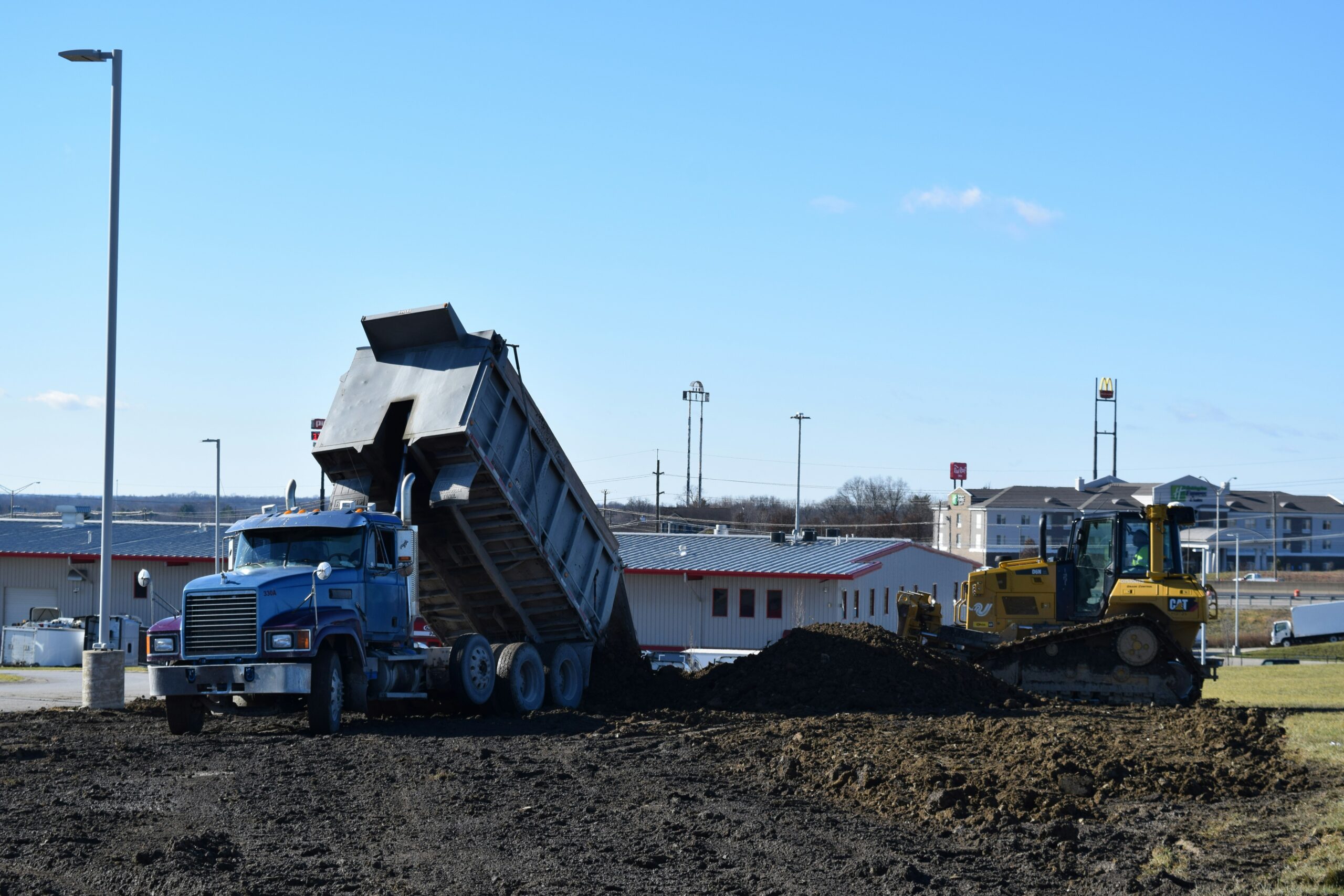
A dump truck – sometimes called a tip truck, tipper, or haul truck depending – is a heavy vehicle with an open-top tray that hydraulically tips to offload its contents. They’re used to transport bulk materials like soil, gravel, sand, rock, and rubble across all kinds of work sites.
There are a few different types you’ll come across in Australia:
- Rigid dump trucks – a fixed chassis with a single tipping tray. These are the most common type on construction and civil sites and include smaller on-road tippers as well as the enormous off-road haul trucks you see on mine sites. Rigid trucks range from around 10 tonnes capacity for on-road work up to over 400 tonnes for large-scale mining operations.
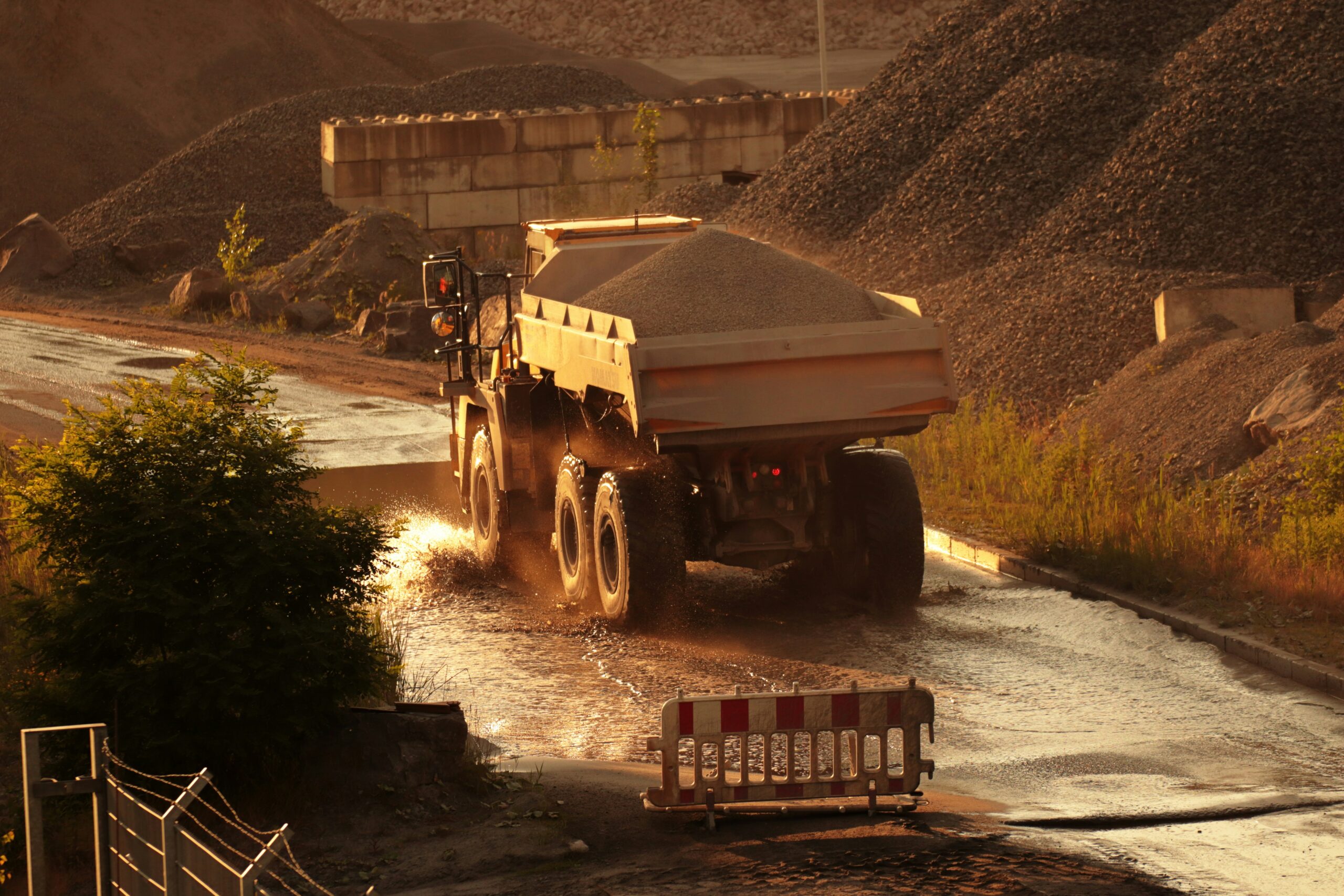
- Articulated dump trucks (ADTs) –sometimes called a moxy or artic, these have a pivot point between the cab and the tray, making them far more manoeuvrable on soft or rough terrain. They’re common on civil earthworks projects, quarries, and anywhere the ground is uneven. Typical capacity is 25 to 45 tonnes.
- On-road tippers – standard HR trucks fitted with a tipping tray, used in construction, landscaping, and waste removal. These operate on public roads and are what most people picture when they hear “tip truck.”
The type of dump truck you’ll operate shapes what qualifications you need, so it’s worth knowing which one your target employer uses before you start training.
What Licence Do You Need to Drive a Dump Truck?
This is where people often get confused, and it’s understandable. The short version is: it depends on where the truck is being driven. Here’s how it breaks down.
1. Class C (Car) Licence
Your starting point. Most states require you to have held this for at least 2 years before you can upgrade to a heavy vehicle licence class.
2. Heavy Rigid (HR) Licence
Required if you’ll be driving a dump truck on public roads. Covers vehicles over 8 tonnes GVM with 3 or more axles. View our HR licence course.
3. Dump Truck Ticket (RTO)
RIIMPO338E for rigid trucks or RIIMPO337E for articulated. Nationally recognised, typically 2 to 5 days. Not required for on-road tipper work but essential for most site-based roles.
4. White Card
Mandatory for anyone working on a construction or civil site in Australia. A one-day course. View our White Card course.
For off-road dump truck work on mine sites or private land, you technically only need the RTO ticket and site induction- not an HR licence. But most employers across construction and civil work prefer candidates who hold both. If you ever want to drive a tipper on public roads, the HR licence is mandatory regardless of the job type.
The HR Licence – What’s Involved
The Heavy Rigid (HR) licence is the most important qualification to have in your toolkit as a dump truck driver. It opens up the widest range of jobs – from on-road tippers in construction and landscaping to civil earthworks and light quarry work.
To get it, you need to be at least 18 years old, have held your Class C licence for a minimum of 2 years, pass a written knowledge test, and complete a practical driving assessment through your state’s roads authority.
Most tip truck and on-road dump truck roles use automatic or synchromesh gearboxes, so you don’t necessarily need a manual HR unless you’re going for more specialised freight or heavy combination work.
If you’re planning to eventually move into heavier combination vehicles or long-haul freight, getting a manual (Road Ranger) HR Licence from the start gives you more options down the track.
How Much Does a Dump Truck Licence Cost?
| Qualification | Typical Cost | Duration | Notes |
|---|---|---|---|
| HR Licence (auto/synchro) | $1,300 to $2,500 | 1 to 2 days | Most tip truck and civil roles |
| HR Licence (Road Ranger manual) | $2,500 to $3,500+ | 2 days | More job options, better for career progression |
| RIIMPO338E (rigid dump truck ticket) | $2,500 to $3,000 | 2 to 5 days | Required for most mine and quarry site roles |
| RIIMPO337E (articulated dump truck ticket) | $2,500 to $3,500 | 2 to 5 days | For moxy/artic operators on civil earthworks |
| White Card | $30 to $120 | Half to full day | Mandatory for all construction sites |
Medical certificate costs (where required) are typically an additional $100 to $150. Retest fees if you don’t pass on the first attempt are generally $300 to $400. Always confirm what’s included in your course fee before booking.
Do You Need Both the HR Licence and the Dump Truck Ticket?
For most jobs, having both puts you in the strongest possible position. For on-road tip truck work in construction, landscaping, and waste removal, the HR licence is the main requirement.
For quarry and civil earthworks operating an articulated dump truck or moxy, the RTO ticket matters more – and many companies will do their own on-site verification of competency (VOC) once you’re hired regardless. The more qualifications you hold, the more doors are open to you.
Pre-Employment Requirements
Beyond your licence and ticket, most employers will want to see a few additional things before you start. These are fairly standard across the industry:
- Pre-employment medical – checks your fitness to safely operate heavy machinery.
- Drug and alcohol testing – standard at civil sites, quarries, and all mine site operations. Zero tolerance is the norm.
- Police clearance – many employers, particularly in mining and government-related infrastructure work, require a current national police check.
- Site induction – every site has its own induction process before you operate any plant. Some larger sites also require a Standard 11 competency for mining-related work.
The Role of a Dump Truck Driver
Once you’re qualified and working, what does a typical day actually look like? It varies a lot depending on the type of operation – a civil construction role in Melbourne’s outer suburbs looks pretty different from an off-road quarry position in regional Victoria. But there are common threads across most dump truck jobs.
The core job is moving bulk material from one place to another. That sounds simple, but doing it safely and efficiently involves more than just driving.
You’re working alongside excavators, loaders, and other plant operators, communicating constantly via two-way radio, and operating heavy machinery in environments where situational awareness genuinely matters.
Most experienced operators will tell you the first few months are spent learning the site and the rhythm of the operation as much as anything else.
Common Duties of a Dump Truck Driver
Common Workplaces for Dump Truck Drivers
- Civil construction and earthworks – road projects, land development, housing estates, and infrastructure builds. This is the most common source of dump truck work nationally and is very active in Victoria.
- Quarries and aggregate sites – transporting rock, gravel, and sand around site. Victoria has a strong quarry industry with operations throughout the Goldfields, Macedon Ranges, and Melbourne’s growth corridors.
- Construction and demolition waste removal – on-road tip trucks removing soil, rubble, and fill from construction sites in and around metropolitan areas.
- Mining operations – large-scale open cut mining in WA and QLD uses enormous off-road haul trucks, while Victoria’s gold mining operations including Fosterville near Bendigo use smaller articulated and rigid trucks.
- Landscaping and bulk material delivery – smaller on-road tippers delivering soil, mulch, and aggregates. Entry-level friendly and widely available in metro Victoria.
Dump Truck Jobs in Victoria – What to Expect
Where the Work Is in Victoria
- Civil earthworks – Melbourne’s outer growth corridors (Werribee, Melton, Craigieburn, Pakenham) have enormous amounts of civil earthworks activity, with articulated dump trucks and on-road tippers in constant demand
- Quarries – active operations in Lysterfield, Bacchus Marsh, Dunnstown, Epping, Ravenhall, and the Macedon Ranges region
- Fosterville Gold Mine near Bendigo – one of Australia’s highest-grade gold mines, with ongoing demand for plant operators including dump truck drivers
- Infrastructure projects – major road and rail builds across metro Melbourne and regional Victoria create consistent work for experienced operators
- Construction waste and demolition – on-road tipper work throughout Melbourne’s suburbs, great for entry-level drivers with an HR licence
Victoria is a strong market for dump truck drivers, particularly those holding an HR licence. Unlike the mining-heavy states of WA and QLD where the work is often remote and FIFO-based, most Victorian dump truck roles are residential.
You work locally, go home each evening, and don’t need to spend weeks away from family. That’s a genuine lifestyle advantage that draws a lot of operators to stay in the state.
The articulated dump truck (moxy) ticket is particularly valuable in Victoria right now, given the volume of civil earthworks activity in Melbourne’s growing outer suburbs.
Tip for Victorian Job Seekers
Many civil contractors in Victoria will hire experienced HR licence holders and provide on-site training for dump truck operation. Getting your HR licence first is a smart move — it gets you through the door, and you can build your site experience and RTO ticket from there.
What’s the Pay Like for Dump Truck Drivers?
Pay varies depending on the type of work, the state you’re in, and your experience level. Here’s a realistic overview based on current market data. Note that the higher end of each range typically reflects senior operators, regular overtime, and weekend penalty rates rather than standard base pay.
| Role Type | Typical Hourly Rate | Approx. Annual Salary | Work Type |
|---|---|---|---|
| Entry-level on-road tipper (VIC) | $30 to $38/hr | $60,000 to $75,000 | Residential / local |
| Civil / quarry operator (VIC) | $38 to $50/hr | $75,000 to $104,000 | Residential / local |
| Experienced civil operator (VIC) | $44 to $55/hr | $90,000 to $114,000 | Residential / some OT |
| Mining dump truck operator (WA/QLD) | $55 to $80/hr | $115,000 to $150,000+ | FIFO / DIDO |
| Articulated dump truck operator | $40 to $55/hr | $83,000 to $114,000 | Civil / quarry / residential |
For Victorian-based drivers, the residential lifestyle advantage is significant. Civil and quarry roles around Melbourne and regional Victoria pay a solid wage without the weeks away from home that FIFO mining work requires. With overtime and weekend penalty rates factored in, experienced civil dump truck operators in Victoria can push past $100,000 annually without setting foot on a mine site.
If you do want to chase the higher FIFO pay rates in WA or QLD, your nationally recognised HR licence and RTO ticket can help. Victorian-based operators regularly fly out for mining rosters, and the qualification is accepted anywhere in the country.
Is a Dump Truck Driving Career Right for You?
If you enjoy hands-on, active work, like operating machinery, and want a career that pays well without needing a university degree, dump truck driving is a solid option.
The entry pathway is clear, the training time is short, and there’s genuine career progression available – from on-road tipper work to civil earthworks, quarrying, and potentially mine site operations over time.
In Victoria particularly, the combination of active civil construction, a strong quarry industry, and residential-based rosters makes this a career worth considering seriously. Getting your HR licence is the right first move – and Transport Driver Training can help you get there.
Frequently Asked Questions
How do I get a dump truck licence in Australia?
There’s no single “dump truck licence” – what you need depends on the type of work. For on-road tip truck driving, you need a Heavy Rigid (HR) licence from your state roads authority. For off-road site work in quarries or mining, you need the RIIMPO338E ticket (rigid trucks) or RIIMPO337E (articulated trucks) from a registered RTO. Most employers prefer candidates who hold both. A White Card is also required for any construction site work.
How much does a dump truck licence cost?
An HR licence typically costs between $1,300 and $2,500 depending on whether you train in an automatic or manual (Road Ranger) vehicle. The RIIMPO338E dump truck ticket usually costs around $2,500 to $3,000 for a two to five day course. A White Card adds another $30 to $120. A medical certificate where required is typically $100 to $150. Budget roughly $3,000 to $5,500 if you’re completing both the HR licence and the dump truck ticket from scratch.
What licence do I need to drive a dump truck?
For on-road tip trucks, you need a Heavy Rigid (HR) licence. For off-road dump trucks on private land, mine sites, or quarries, you technically only need the RTO ticket and a site induction. If you’re unsure, check with the specific employer before investing in training.
How do I get a dump truck licence in Victoria?
In Victoria, start by holding a valid Class C licence for at least 2 years, then complete your HR licence training through a registered RTO like Transport Driver Training. A White Card is required for any construction site.
How much do dump truck drivers earn in Victoria?
Entry-level on-road tipper drivers in Victoria typically start at around $30 to $38 per hour. Experienced civil earthworks and quarry operators earn $44 to $55 per hour, which can translate to $90,000 to $114,000 annually when overtime and penalty rates are included.
Keep Reading
